Allied Health in Aged Care Forum 2026 – workshop themes and findings
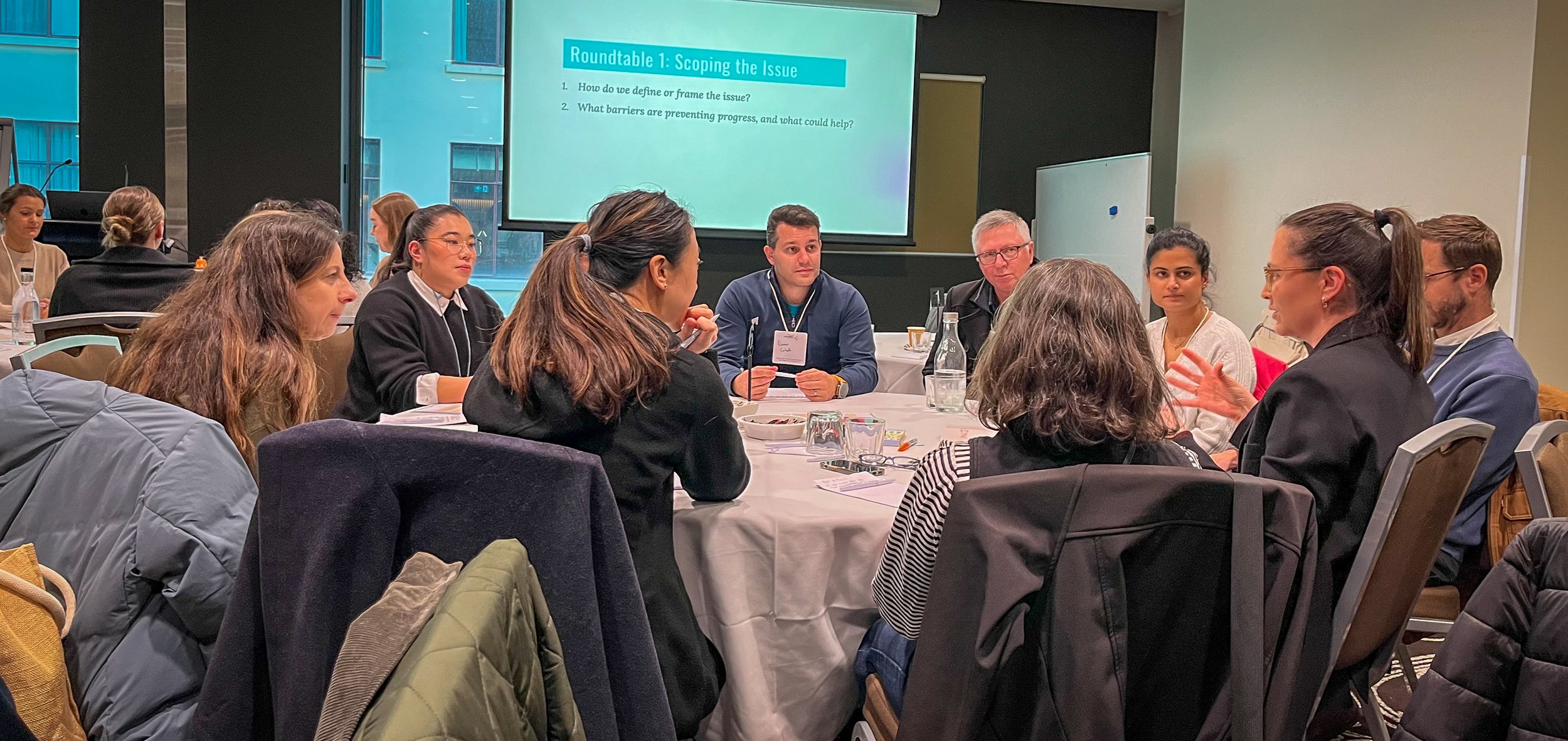
The Allied Health in Aged Care Forum, presented by the SSD Connect Alliance, Eastern Sector Development Team and Bayside City Council SSD, was held in Melbourne in June 2026.
Participants came together to explore the pressures affecting aged care providers, clinicians and leaders.
A clear message emerged across the workshops: the sector is experiencing significant change fatigue, growing administrative demands and system complexity while working to maintain quality care for older people.
Participants consistently identified the need for clearer communication, stronger interdisciplinary practice, reduced administrative burden, better funding alignment, better information and education for older people and practical implementation support.
Below is a summary of the key themes and actions that emerged from the workshop discussions.
1. Change fatigue and moral injury
System-level change overload
Participants described frequent changes to policies, funding, legislation, assessment models, operating environments and expectations.
Multiple system and process changes are often happening at the same time, affecting both clinicians and leaders. Participants said the impact is often felt most strongly at the clinician and service delivery level.
Moving or unclear policy 'goalposts' can make it difficult for teams to understand what is required. Relentless change can contribute to burnout and reduce the quality of client care.
Moral injury
Participants described moral injury as occurring when staff:
- cannot provide the care they believe clients need
- must explain and implement system changes they do not control
- become the face of unpopular changes
- need system knowledge beyond their role requirements
- know transitions may lead to reduced care outcomes.
Reported consequences included:
- burnout
- stress
- low morale
- absenteeism
- psychological and emotional impacts
- staff resignations
- reduced productivity
- deterioration of workplace culture.
Impact on older people
Participants said the system can be perceived as working against clients.
Poor messaging and a lack of transparency can create confusion, while community members may struggle to understand the aged care system. Frontline staff may then experience aggression and frustration from clients and carers.
What supports effective change
Participants identified several elements needed for successful change:
- clear communication
- stakeholder engagement
- consultation and collaboration
- training
- support resources
- a clear purpose and rationale
- feedback mechanisms
- time to adapt
- visible value from the change.
Leadership also has an important role. Participants said leaders should:
- build psychologically safe cultures
- support staff wellbeing
- encourage staff to speak up
- provide supervision
- manage workloads and staff turnover
- help staff understand why changes are happening.
Practical supports discussed included work instructions, FAQs, scripts, workshops, reflection opportunities, change management training, resilience training, pilot phases and designated change owners or champions.
2. Interdisciplinary care
Structural and operational barriers
Participants identified a range of barriers to effective interdisciplinary care, including:
- changes in the way older people are connected to allied health (referral to a specific discipline rather than a program)
- poorly defined roles and responsibilities
- limited access to some disciplines
- funding limitations
- differences between block funding and individual funding models
- waitlists and referral demand
- staffing shortages
- confusion about scope of practice
- inconsistent access to information
- a lack of measurable data.
Referral and assessment challenges
Participants reported problems with incorrect referral codes, delays in correcting referrals and long waiting times.
They also raised concerns about limited assessor and clinician knowledge, difficulty identifying discipline-specific needs and insufficient referral information from My Aged Care.
System design problems
Workshop groups described disciplines working in silos, fragmented service delivery and a lack of standardised assessment and interdisciplinary pathways.
There was also confusion about generic and discipline-specific roles.
What's working well
Participants identified several practices that support interdisciplinary care:
- interdisciplinary notes
- internal referrals
- information sharing between teams
- interdisciplinary risk screening
- support plan reviews
- information gathering across generic roles
- experienced multidisciplinary collaboration where it is available.
What's not working
Common problems included:
- assessors only being able to refer to specific disciplines
- poor referral information
- unclear referral sources
- delays in acting on support plan reviews
- limited visibility of client information
- confusion about scope
- waiting times
- service limitations
- low client motivation and engagement.
Opportunities for improvement
Participants identified opportunities to improve access by:
- introducing allied health referral codes that support multidisciplinary work
- improving clinician access to client information
- creating shared information repositories
- improving the My Aged Care portal.
Workforce development opportunities included training, champion models, clinician education, assessor education and future workforce development.
Participants also supported standardised assessment tools, standardised referral criteria, better referral coding, quality improvement activities and more industry-wide discussion and networking.
3. Service agreements and administrative burden
Participants consistently raised concerns about new service agreement requirements.
Problems identified included:
- significant administrative burden
- excessive red tape
- a lack of standardisation
- multiple agreements for individual clients
- processes not designed around client needs
- high work effort with low clinical value
- reduced flexibility
- the same process being applied regardless of health complexity
- episodic and ongoing clients being treated in the same way.
Participants said these requirements can lead to older people declining services because they do not want to sign agreements. They can also reduce clinical time, increase administration, create difficult implementation processes and result in agreements that are not fit for purpose.
What organisations can control
Participants identified several areas within organisational control:
- designing their own agreements
- developing local procedures
- simplifying communication
- improving client-facing materials
- understanding end-user needs
- using AI to reduce administrative workload
- streamlining intake processes.
4. Dignity of risk
Participants described dignity of risk as balancing:
- rights
- choice
- autonomy
- informed decision-making
- duty of care
- risk mitigation
- client wishes
- clinical recommendations.
Key tensions
Participants discussed tensions between:
- client choice and professional recommendations
- autonomy and safety
- consumer risk and provider risk
- what a client wants and what they need.
Challenges for clinicians
Clinicians may need to support choices that conflict with best practice while managing risk tolerance and professional accountability.
Other challenges included maintaining client autonomy while supporting safety, confidence levels, communication skills, understanding risk capacity and time constraints.
Client and system factors
Client factors included limited understanding, health literacy, trust in recommendations, expectations, cultural considerations, a desire for independence, family expectations and motivation.
System factors included funding restrictions, delays to support plan reviews, workforce shortages, service availability, budget constraints and service limitations.
What's working well
Participants said clinician understanding of scope of practice and existing dignity of risk processes and forms are working well.
What's not working
Problems included time and budget constraints, limited flexibility and clinicians feeling that they are creating barriers.
Recommendations
Participants called for:
- more clinician education
- better communication tools
- client education materials and infographics
- consistent sector-wide messaging
- dignity of risk training
- stronger organisational guidance
- clear policies and procedures.
5. Spheres of influence
Inside organisational control
Participants identified several areas that organisations can influence directly.
These included communication pathways, information sharing, feedback mechanisms and client communication.
They also included workforce training, staff education, team culture, leadership and wellbeing supports.
Continuous improvement opportunities included quality improvement, AI implementation, process redesign, local procedures and service design.
Outside organisational control
Participants identified several factors outside organisational control, including:
- legislation
- the Aged Care Act
- rules and regulations
- funding levels
- assessment and reassessment processes
- governance requirements
- national economic conditions
- the design of My Aged Care.
What participants want from the Department
Participants repeatedly identified a need for:
- greater transparency
- more consultation
- a clearer long-term vision
- better communication
- greater standardisation
- a 'big picture' aged care strategy.
Opportunities and solutions
Sector-wide advocacy priorities included multidisciplinary funding, recognition of allied health, better referral pathways, sector standardisation, a clear aged care vision and reduced system complexity.
Within organisations, participants supported transparent communication, regular updates, shared language and messaging and feedback channels.
Staff support options included resilience training, change management training, supervision, workshops and opportunities for reflection.
Participants also identified the need to educate clients, manage expectations, provide personalised information, support self-advocacy and help people navigate My Aged Care.
AI could support intake processes, administrative tasks, documentation, workflow improvements and more efficient communication.
6. Key actions emerging across groups
Across the workshops, participants identified 14 priority actions:
- improve communication and transparency
- increase clinician and assessor education
- reduce administrative burden
- advocate for multidisciplinary funding and referral pathways
- standardise assessment, referral and documentation processes
- support staff through change management and resilience programs
- improve client education and navigation support
- use AI and technology to improve efficiency
- strengthen interdisciplinary practice models
- develop clearer organisational guidance about dignity of risk
- create stronger feedback loops between providers, sector support and development, My Aged Care and government
- establish communities of practice and sector collaboration forums
- provide protected time and resources to implement change
- build stronger clinical governance and leadership support structures.
What's next
The workshop findings show a sector managing significant change while working to protect quality client care.
Participants were clear about the need for practical support, stronger communication, better coordination and less administrative complexity. They also identified opportunities for organisations, the sector and government to strengthen interdisciplinary practice, support staff and clients and improve how reform is implemented.
Visit our Reforms Hub and Good Practice Hub for templates, guidance and practical resources to support you and your teams.